
Water Quality Improvement Plan, 2026 Update
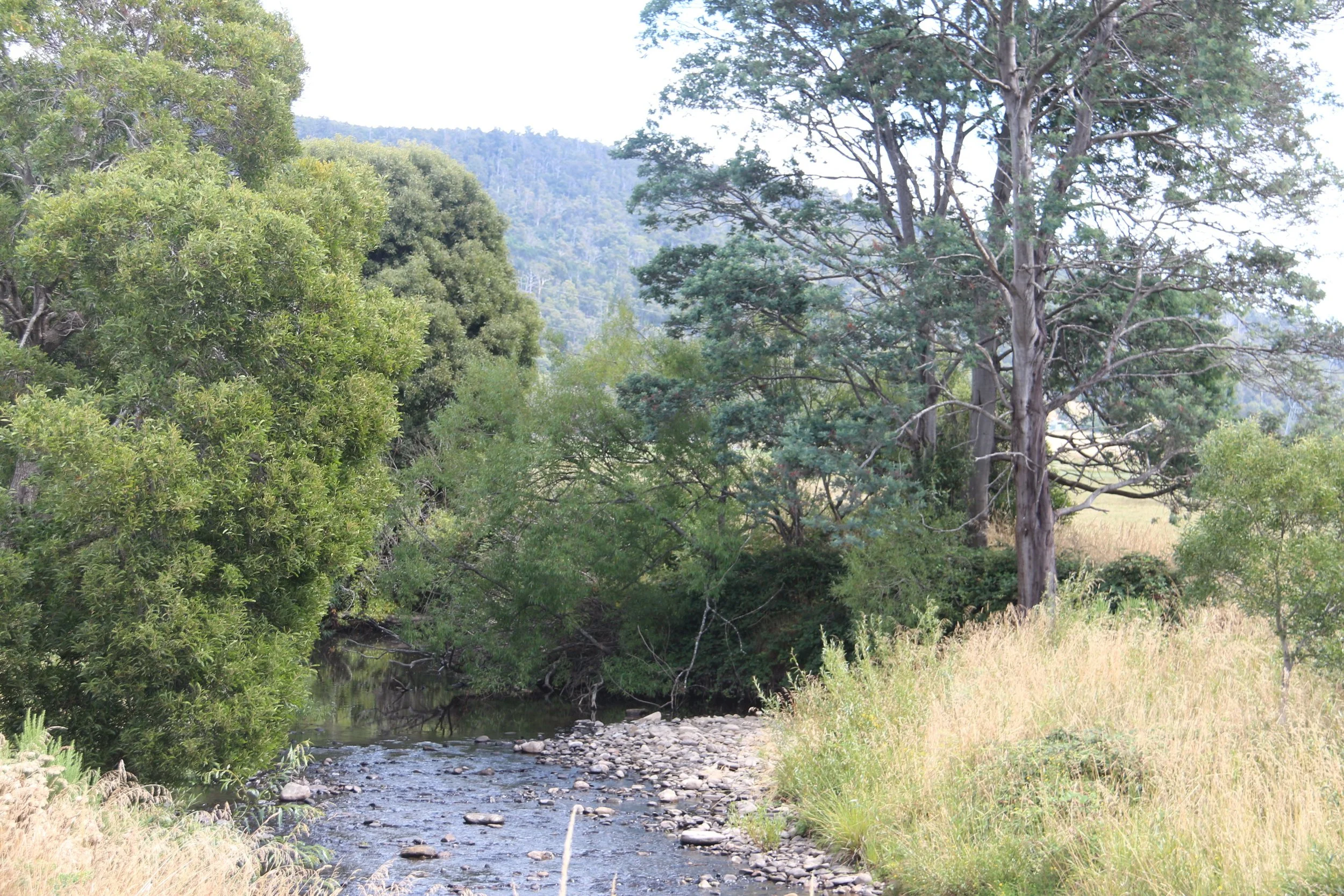
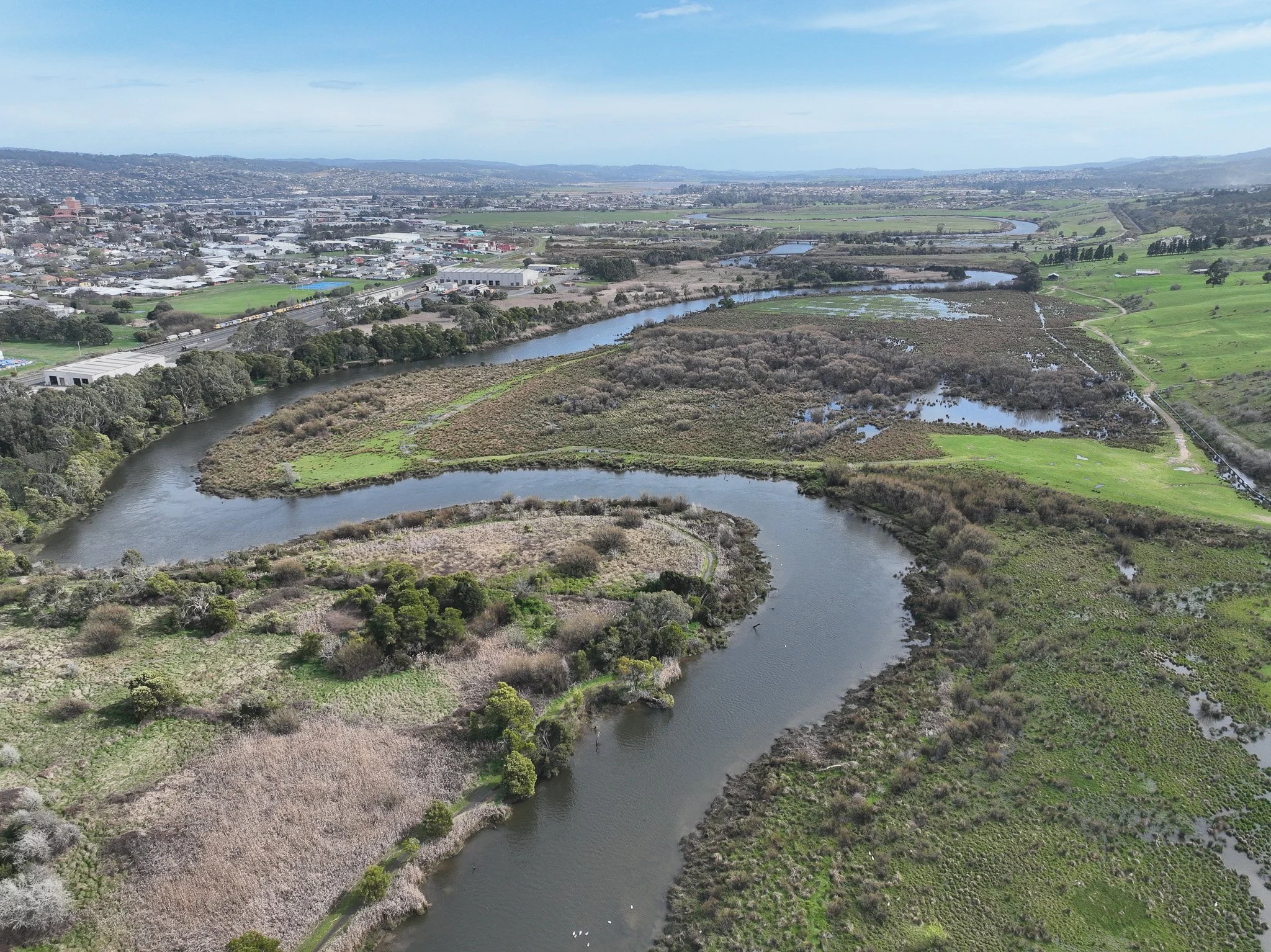
The 2015 TEER Water Quality Improvement Plan (WQIP) was released as a blueprint for improving water quality in the Kanamaluka / Tamar estuary and Esk rivers catchment. More than a decade on, significant investments have been made and advances in scientific understanding has advanced, deepening our knowledge of the estuary and its water quality drivers. Together, these developments provide a solid foundation and a timely opportunity to update the TEER WQIP and build on the work already undertaken.
Background
Developed over three years using high-quality scientific data and extensive community consultation, the 2015 WQIP aimed to outline the sources and loads of pollutants in the estuary and the catchment, and recommended management actions to reduce pollutant inputs.
The WQIP has provided a robust framework for investment across the Kanamaluka / Tamar estuary and Esk rivers catchment. Its value is clearly demonstrated through the River Health Action Plan (RHAP), which drew directly on WQIP recommendations to prioritise investment options and used modelling to assess their projected benefits.
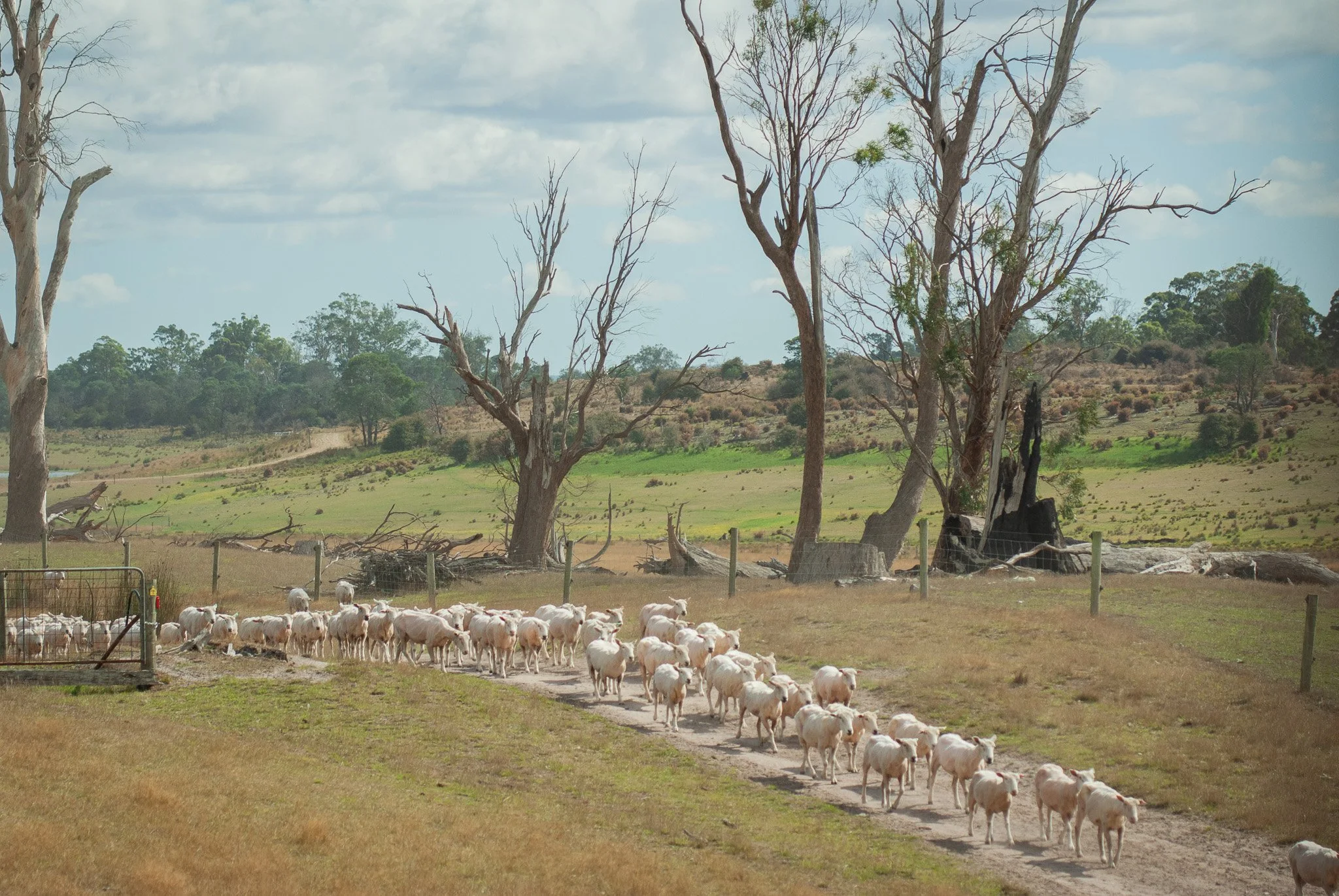
Funding for RHAP implementation has targeted several key areas: reducing the frequency and concentration of overflows from Launceston’s combined sewer and stormwater system; reducing sewage intrusion into the separated stormwater system surrounding the upper estuary; limiting stock access to streams; and improving dairy effluent management. Together, these investments are expected to deliver significant water quality improvements across the catchment.
Learn more about the 2015 WQIP, or download the plan below.
Setting new targets
Since its release over a decade ago, significant advances in scientific knowledge, data and modelling have provided the impetus to update the TEER WQIP. Substantial changes to land use management and practices have also taken place across the catchment, including major investment in implementing recommendations of the 2015 WQIP.
The CAPER DSS, the integrated model used to develop the original plan, has also been substantially updated to reflect current land use, management practices, and current scientific knowledge. With major investment now delivered and future opportunities identified, there is a clear need to refresh the WQIP to understand where we are at, what the priorities are, and where the opportunities are to protect and improve water quality into the future. Updating the WQIP also provides an opportunity to re-engage stakeholders, and to motivate further investment from industry, government and the broader public.
2026 Update
The updated WQIP will be shaped by meaningful engagement with key stakeholders and the community. Through a co-design approach, participants will have a genuine opportunity to contribute and provide input at every stage of the process.
The updated Plan will include:
a review of progress in implementing recommendations from the 2015 Plan
impacts from other catchment changes since the 2015 Plan was developed
development and evaluation of potential catchment and point-source management actions to develop feasible water quality targets for the freshwater system and estuary, and recommendations for achieving them.
Key stakeholders will be engaged throughout this process to evaluate and inform understanding of:
the benefits of investments already made in improving water quality
current and emergent pressures on water quality
potential future management actions and challenges to implementation
opportunities that could be leveraged to increase uptake of beneficial actions
development of water quality targets and recommendations to achieve actions, while outlining challenges and opportunities within each sector.
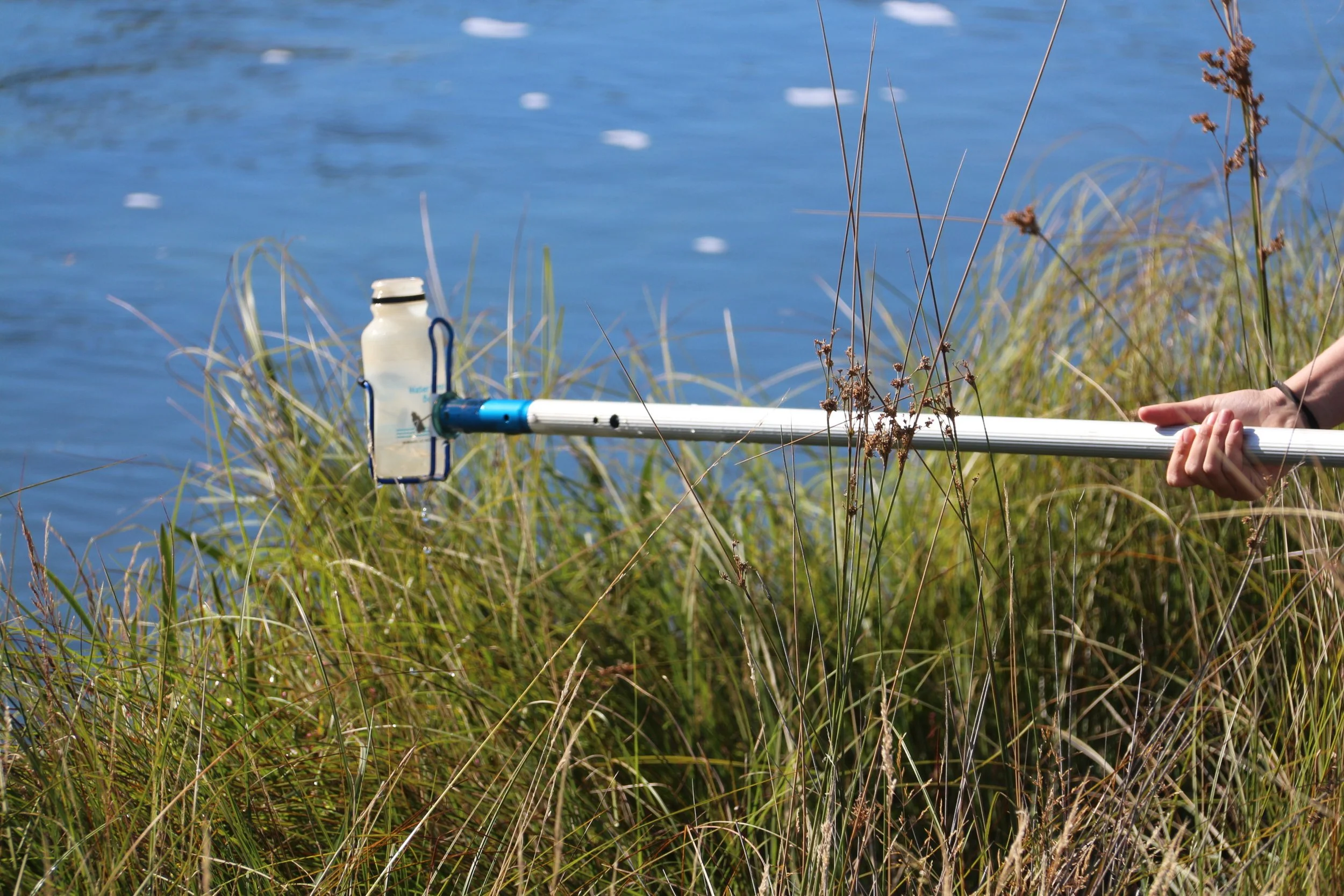
The updated CAPER DSS will be used to evaluate the impacts of past and future actions, as well as current and emergent pressures on water quality. The outputs will inform discussions with key stakeholders and underpin the development of feasible water quality targets and updated WQIP recommendations.
Timeline
An update of the WQIP for the Kanamaluka / Tamar estuary and its tributaries is underway and is expected be released by mid-2027.
This project is supported by the Tasmanian Government, TasWater and Hydro Tasmania.
Questions?
We welcome questions and feedback from all community members as we co-design the updated Water Quality Improvement Plan.