

The decline of pH in the Kanamaluka / Tamar estuary
Long-term water quality data from the TEER Program has revealed a trend of declining pH and increasing acidification in the Tamar estuary. pH is declining by up to 0.07 pH units per year, which is among the fastest rates of decline globally. In 2023, the program commissioned Ultramarine Concepts to conduct a preliminary desktop study to identify the potential drivers of this decline.
Background
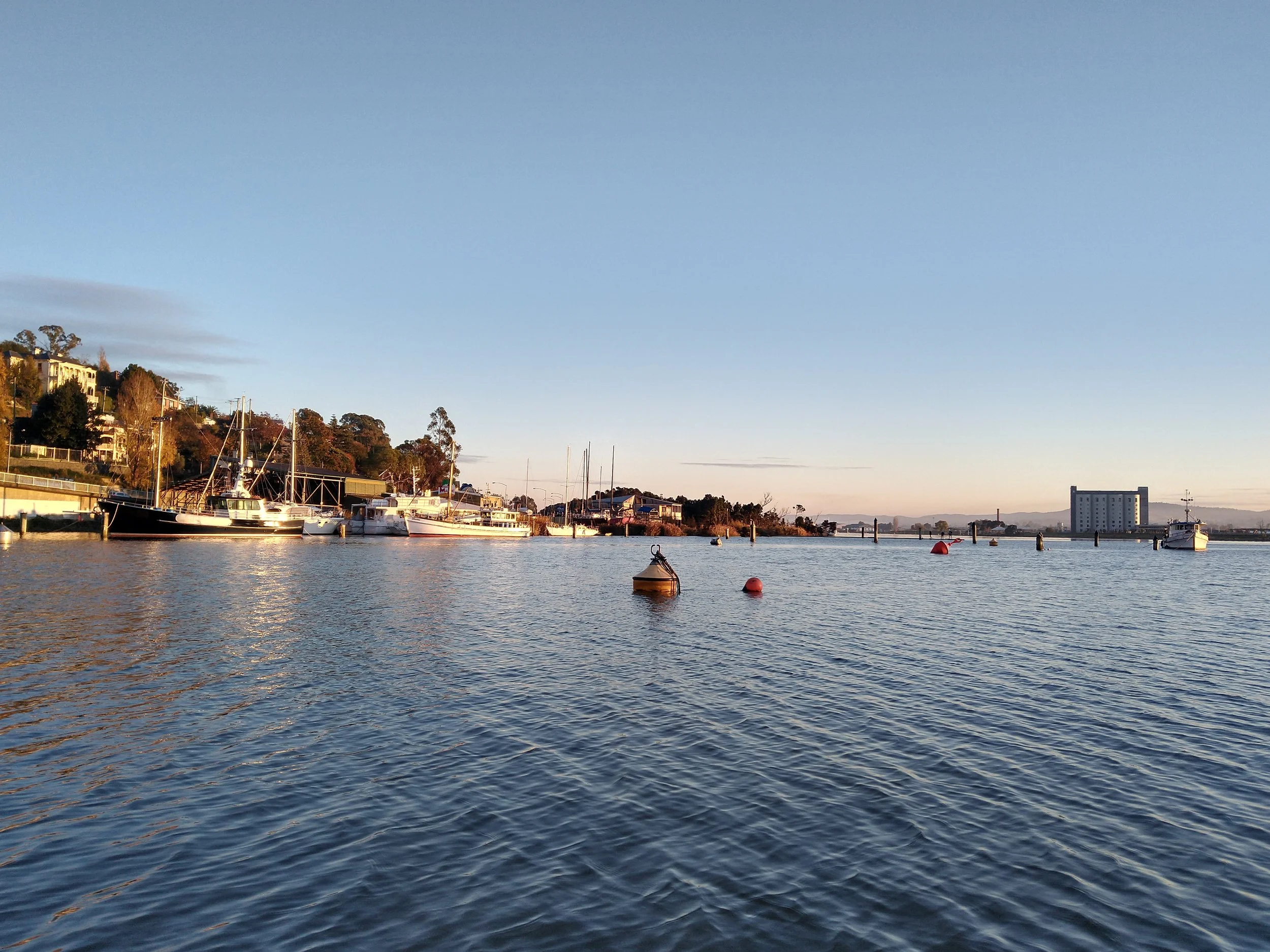
The Kanamaluka / Tamar is Tasmania’s largest estuary and Australia’s longest navigable estuary, valued for its deep cultural importance to the First Tasmanians, rich recreational and agricultural value to the Tamar Valley, and for its biodiversity and endemic species. Dominated by the tide, the estuary’s partially mixed waters and channels create dynamic circulation and sediment-trapping processes. In the upper estuary around Launceston, the original wetlands and river flows have been substantially altered by land reclamation, flood levees, river rerouting, dredging, urbanisation, invasive species and regulation of major tributaries.
Since 2009, the Tamar Estuary and Esk Rivers (TEER) Program has collected monthly water quality data across the estuary. Recent analysis of TEER’s long-term records has identified pH is increasingly failing to meet local water quality targets, prompting a desktop study to examine potential drivers of acidification drivers such as climate change, organic matter inputs, acid sulfate soils or acid mine drainage, altered dam releases, and acidic deposition.
Assessment of environmental information against hypotheses
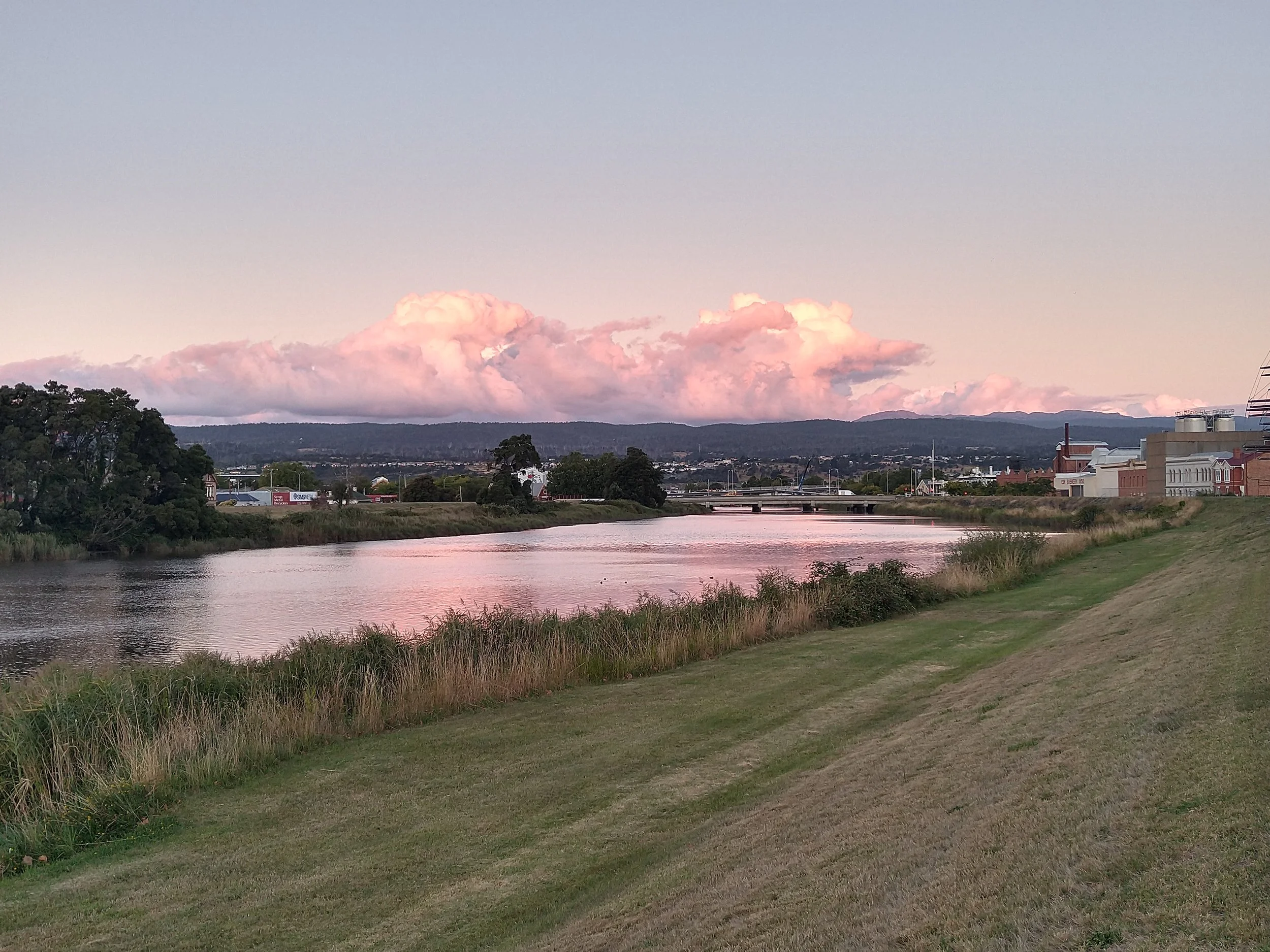
The available evidence indicates the Tamar’s declining pH is being driven by local estuary and catchment pressures more than by climate change alone.
Local factors that may be contributing to declining estuary pH include drainage from acid sulfate soils (either disturbed riparian soils or those dumped on the riverbank from past dredging), inputs of organic matter from sewage treatment plants and stormwater, and possibly organic matter generated in situ from raised nutrients, which together decrease pH during decomposition processes. Quantifying the relative contribution of these sources was not feasible due to a lack of primary information.
While rising atmospheric CO2 is an important global driver of ocean acidification, the rate of pH decline observed through the TEER Program is greatest in the upper estuary (near Launceston). The observed rate of decline is too rapid to be explained by ocean acidification alone. There is also no clear long-term warming trend in water temperatures to support temperature change as a primary driver.
Other hypotheses were assessed and considered less likely to explain observed decline. Low-pH discharge from Trevallyn Dam bottom waters and lower-pH precipitation over Launceston and the nearby catchment we considered unlikely. Similarly, acidic deposition from wood smoke is unlikely to be a major contributor, as air particulate pollution has declined while estuarine pH has continued to fall.
What happens next?
The pH study represents an important first step in understanding the causes of acidification in the Kanamaluka / Tamar estuary. The TEER Program has already begun planning and scoping the next phase of work, including identifying suitably qualified researchers with expertise in acid sulfate soils, estuarine geochemistry, sediment biogeochemistry and organic matter cycling. Technical proposals will be assessed against a number of criteria, including expertise and experience, before determining which organisations are best placed to undertake further investigations.
Recognising that these investigations will require specialist expertise and significant resources, the TEER Program is also actively pursuing external funding opportunities to support this next phase of work.
Future studies will aim to determine the relative contribution of acid sulfate soils and organic matter inputs, improve understanding of the processes driving estuarine acidification, and identify practical management actions that can help reduce future impacts on the estuary.
Quick Q&A
-
pH is a measure of how acidic or alkaline a substance like water is. Because pH is on a logarithmicscale, even relatively small changes can have significant effects on biological and chemical processes. Lower pH can alter nutrient cycling, increase the availability of some metals, affect the health and growth of aquatic plants and animals, and influence the structure of estuarine ecosystems. Some organisms are particularly sensitive to changes in pH, including calcifying invertebrates and early life-stage fish. Because pH influences many aspects of water quality and ecosystem functioning, it is an important indicator of estuarine ecosystem health.
-
Organic matter entering the Kanamaluka / Tamar estuary is delivered from inflows from the South and North Esk rivers, carrying natural organic matter from the catchment, and from local drains and stormwater that mobilise organic-rich soils and urban runoff. Treated wastewater and wet‑weather overflows from Greater Launceston’s combined sewage/stormwater system also increase labile (biodegradable) organic material.
Within the estuary, this organic loading can be amplified by in‑situ production and recycling (algae and microbial processing) and by resuspension of organic-rich fine sediments in the upper estuary.
-
Acid sulphate soils are naturally occurring soils and sediments containing sulphide minerals (often iron sulphides). Formed under waterlogged, low-oxygen conditions, they are often found in coastal wetlands, estuaries and reclaimed tidal flats, which helps to explain their presence around the Kanamaluka / Tamar estuary.
When acid sulphate soils are disturbed or exposed to air, the sulphides oxidise and can generate sulphuric acid, which can drain into waterways and lower pH.
Acidic drainage can also mobilise metals (such as iron or aluminium), which is why runoff from acid sulphate soils if frequently associated with metal-rich and acidic water.
-
Dr Edward C V Butler, Ultramarine Concepts is an independent scientist and consultant who is an expert in estuarine ecology. You can read Dr Butler’s previous studies and affiliations at https://www.researchgate.net/profile/Edward-Butler-3.
-
The TEER Program has a wide range of fact sheets available to help you learn more about the history, values and management of the Kanamaluka / Tamar estuary.
Learn more about sediment management
Learn about the estuary’s natural values